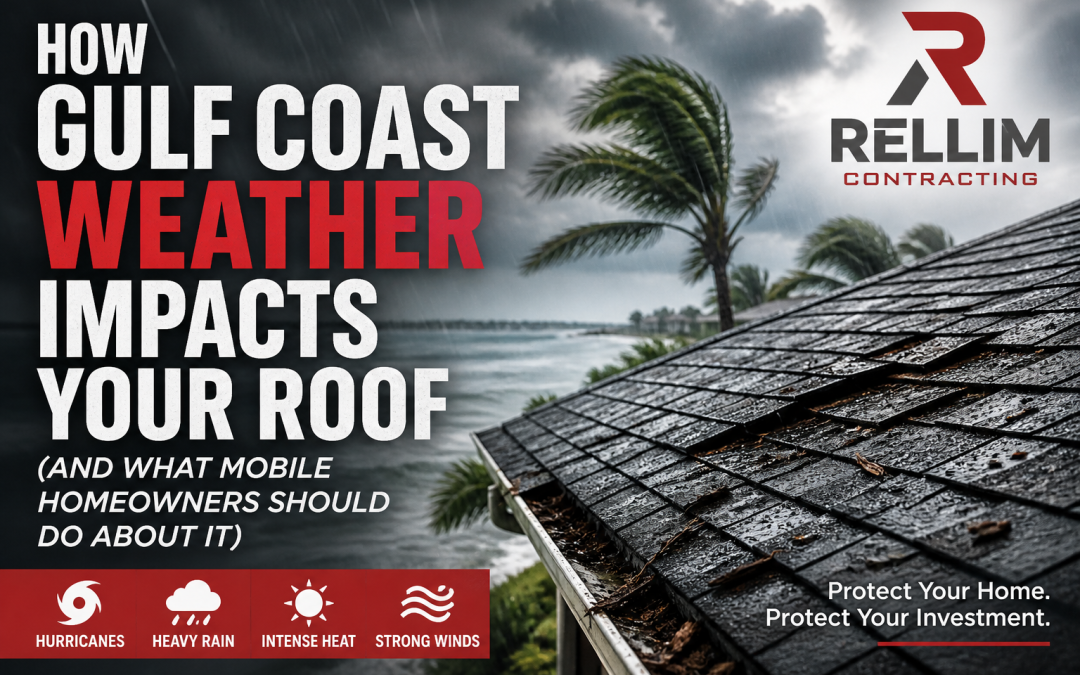
How Gulf Coast Weather Impacts Your Roof (And What Mobile Homeowners Should Do About It)
Living in Mobile, Alabama means enjoying beautiful coastal scenery, warm temperatures, and vibrant communities—but it also means dealing with some of the harshest weather conditions in the country. From intense humidity to hurricane-force winds, Gulf Coast weather can take a serious toll on your home—especially your roof.
Your roof is your first line of defense against the elements. Without proper maintenance and preparation, Mobile’s unique climate can lead to costly repairs, water damage, and even structural issues.
In this guide, we’ll break down exactly how Gulf Coast weather affects your roof and what homeowners in Mobile, AL can do to protect their investment.
Why Gulf Coast Weather Is So Hard on Roofs
The Gulf Coast climate presents a perfect storm of conditions that accelerate roof wear and tear:
- High humidity levels year-round
- Frequent heavy rainstorms
- Hurricane threats and strong winds
- Intense UV exposure and heat
- Rapid temperature fluctuations
These factors don’t just age your roof—they actively damage materials, weaken structural integrity, and create opportunities for leaks.
According to the National Weather Service, coastal regions like Mobile experience higher rainfall totals and storm frequency than many inland areas. This constant exposure makes regular roof maintenance essential.
1. Heavy Rain and Moisture Damage
Mobile receives over 60 inches of rainfall annually. That’s a lot of water hitting your roof.
How It Affects Your Roof:
- Water can seep under damaged or missing shingles
- Prolonged moisture leads to rot and mold growth
- Flashing and seals weaken over time
Even a small leak can turn into major water damage if left untreated.
What You Should Do:
- Schedule regular roof inspections
- Address leaks immediately
- Ensure proper attic ventilation
If you notice signs of water intrusion, it’s critical to act quickly. Learn more about professional solutions on Rellim’s internal roofing services page:
👉 https://rellimcontracting.com/roofing-3/
2. Hurricanes and High Winds
Hurricane season is one of the biggest threats to homeowners in Mobile.
How It Affects Your Roof:
- Shingles can be lifted or completely torn off
- Debris can puncture roofing materials
- Structural damage from extreme wind pressure
Even tropical storms can cause significant roof damage.
What You Should Do:
- Secure loose shingles before storm season
- Trim nearby trees to prevent debris impact
- Upgrade to wind-resistant roofing materials
After a storm, always schedule an inspection—even if damage isn’t visible. Hidden issues can worsen over time.
3. Intense Heat and UV Exposure
Mobile summers are hot—and your roof absorbs most of that heat.
How It Affects Your Roof:
- Shingles can crack, curl, or blister
- Roofing materials expand and contract
- Accelerated aging reduces roof lifespan
Over time, this heat damage weakens your roof’s ability to protect your home.
What You Should Do:
- Choose heat-resistant roofing materials like metal
- Ensure proper attic insulation
- Schedule seasonal inspections
For homeowners considering upgrades, Rellim offers multiple roofing options tailored to Gulf Coast conditions.
4. High Humidity and Mold Growth
Humidity isn’t just uncomfortable—it’s destructive.
How It Affects Your Roof:
- Promotes mold, mildew, and algae growth
- Weakens wood structures beneath roofing
- Leads to indoor air quality issues
Moisture trapped in your attic can spread quickly if not addressed.
What You Should Do:
- Improve attic ventilation
- Install moisture barriers
- Address mold immediately
If mold or water damage is present, explore Rellim’s restoration services:
👉 https://rellimcontracting.com/
5. Storm Debris and Physical Damage
Strong storms often bring flying debris—branches, limbs, and other objects.
How It Affects Your Roof:
- Impact damage to shingles or panels
- Punctures that lead to leaks
- Gutter and flashing damage
What You Should Do:
- Inspect your roof after every major storm
- Keep trees trimmed and maintained
- Repair minor damage before it worsens
Signs Your Roof Has Weather Damage
Not all roof damage is obvious. Watch for these warning signs:
- Water stains on ceilings or walls
- Missing or curled shingles
- Granules in gutters
- Mold or mildew odors
- Sagging roof areas
If you notice any of these issues, don’t wait. Early repairs are far more affordable than full replacements.
Preventative Roof Maintenance Tips for Mobile Homeowners
The best way to protect your roof is through proactive maintenance.
Essential Tips:
- Schedule inspections at least twice a year
- Clean gutters regularly
- Check for damage after storms
- Replace worn or missing shingles promptly
- Invest in professional maintenance services
Routine care can extend your roof’s lifespan and save thousands in repairs.
Why Professional Roofing Services Matter
DIY fixes might seem tempting, but Gulf Coast conditions require expert solutions.
A professional roofing contractor understands:
- Local weather patterns
- Best materials for coastal climates
- Proper installation techniques
- Insurance and storm damage claims
Working with a trusted local company like Rellim Contracting ensures your roof is built to withstand Mobile’s toughest conditions.
Choosing the Right Roofing Material for the Gulf Coast
Not all roofs are created equal—especially in a coastal climate.
Best Options for Mobile, AL:
- Metal Roofing: Durable, wind-resistant, and energy-efficient
- Asphalt Shingles: Cost-effective with modern weather-resistant options
- Composite Roofing: Designed for durability and longevity
Each option has pros and cons, so it’s important to consult with professionals before making a decision.
Internal & External Resources
- Internal:
👉 https://rellimcontracting.com/roofing-3/
👉 https://rellimcontracting.com/ - External:
👉 https://www.weather.gov/ (National Weather Service)
👉 https://www.fema.gov/ (Storm preparedness resources)
FAQ: Gulf Coast Roofing in Mobile, AL
How often should I inspect my roof in Mobile, AL?
At least twice a year and after every major storm.
What type of roof is best for hurricane-prone areas?
Metal roofing is one of the most durable and wind-resistant options.
Can humidity really damage my roof?
Yes. High humidity promotes mold growth and can weaken roofing structures over time.
How do I know if my roof has storm damage?
Look for missing shingles, leaks, or debris damage. A professional inspection is recommended.
How long does a roof last in the Gulf Coast climate?
Most roofs last 15–30 years, but harsh weather can shorten that lifespan without proper maintenance.
Final Thoughts
Gulf Coast weather is tough on roofs—but with the right knowledge and preventative steps, Mobile homeowners can protect their homes and avoid costly damage.
Regular inspections, timely repairs, and professional guidance are key to keeping your roof strong year-round.
If you’re concerned about your roof or want to prepare for the next storm season, don’t wait—reach out to a trusted local expert.